

Does Steel Tarnish? What Jewelry Lovers Should Know

A gold-toned ring that still looks polished after a long workday, a favorite necklace worn on repeat, earrings that stay bright from brunch to birthdays - these are the details that make everyday jewelry feel special. So, does steel tarnish? Stainless steel is highly resistant to tarnishing, which is exactly why it is a beautiful foundation for jewelry designed to keep up with your life.
That said, no material is completely untouched by wear. The finish of a piece can change depending on its composition, plating, daily habits, and how it is stored. Understanding the difference helps you choose jewelry with confidence and care for the pieces that make you feel most like yourself.
Does Steel Tarnish in Jewelry?
Pure steel can rust or discolor when exposed to moisture and oxygen, but stainless steel is made differently. It contains chromium, which forms a thin, protective layer on the surface. This layer helps prevent the oxidation that causes rust and the dull, uneven appearance people often call tarnish.
For jewelry, stainless steel is a smart choice because it is strong, practical, and naturally resistant to everyday discoloration. It does not behave like sterling silver, which can develop a dark surface layer when it reacts with sulfur compounds in the air. Stainless steel generally stays much closer to its original finish with far less maintenance.
You may also see the term titanium steel used for fashion jewelry. This commonly describes durable stainless steel jewelry with a sleek, contemporary feel. The important point is the same: quality stainless steel is prized for being dependable, wearable, and far less likely to tarnish than many traditional fashion jewelry metals.
Tarnish, Rust, and Fading Are Not the Same Thing
These words are often used interchangeably, but they describe different changes. Knowing which one you are seeing can make jewelry care much less confusing.
Tarnish is a surface reaction that usually appears as dullness or darkening. It is most associated with metals such as silver, brass, and copper. Rust is a reddish-brown form of corrosion that affects iron-containing metals when moisture and oxygen are involved. Properly made stainless steel is specifically designed to resist rust.
Then there is fading or wear on plated jewelry. An 18K gold-plated necklace or ring has a warm gold layer over its base metal. Over time, friction can gradually soften that top layer, especially on high-contact pieces such as rings, bracelets, and chain clasps. This is not stainless steel tarnishing. It is normal surface wear, and how quickly it happens depends on how often the piece is worn and what it comes into contact with.
At AN ATELIER, three layers of 18K gold plating create a luminous, elevated finish over stainless titanium steel. It is jewelry made to bring a refined touch to everyday style, while still benefiting from a resilient base material.
What Can Make Steel Jewelry Look Dull?
Stainless steel is low-maintenance, not zero-maintenance. A piece may lose some of its immediate shine because of residue rather than tarnish. Lotion, sunscreen, makeup, natural skin oils, and soap can leave a film on the surface. In a warm climate or during busy days, perspiration can do the same.
Chlorine deserves extra attention. Pool water and household cleaning products can be harsh on jewelry, particularly gold-plated finishes. Saltwater, perfume, hairspray, and strong beauty products can also affect the surface over time. These exposures will not suddenly ruin a well-made piece, but repeated contact can take away some of its fresh-from-the-box glow.
Your body chemistry matters, too. Skin pH, perspiration, and the products you use can affect how any jewelry wears. If one ring fades faster than another, it does not automatically mean there is a problem with the material. It may simply be the piece you wear most often, in the place where it meets the most water, friction, and product residue.
How to Keep Stainless Steel Jewelry Bright
A few small habits go a long way. Put jewelry on after applying perfume, lotion, sunscreen, and hair products. This creates a simple buffer between your favorite pieces and formulas that can leave buildup behind.
Take jewelry off before swimming, showering, exercising, cleaning, or applying skincare. Occasional accidental contact is nothing to panic about. The goal is simply to avoid making exposure part of your routine, especially for gold-plated designs.
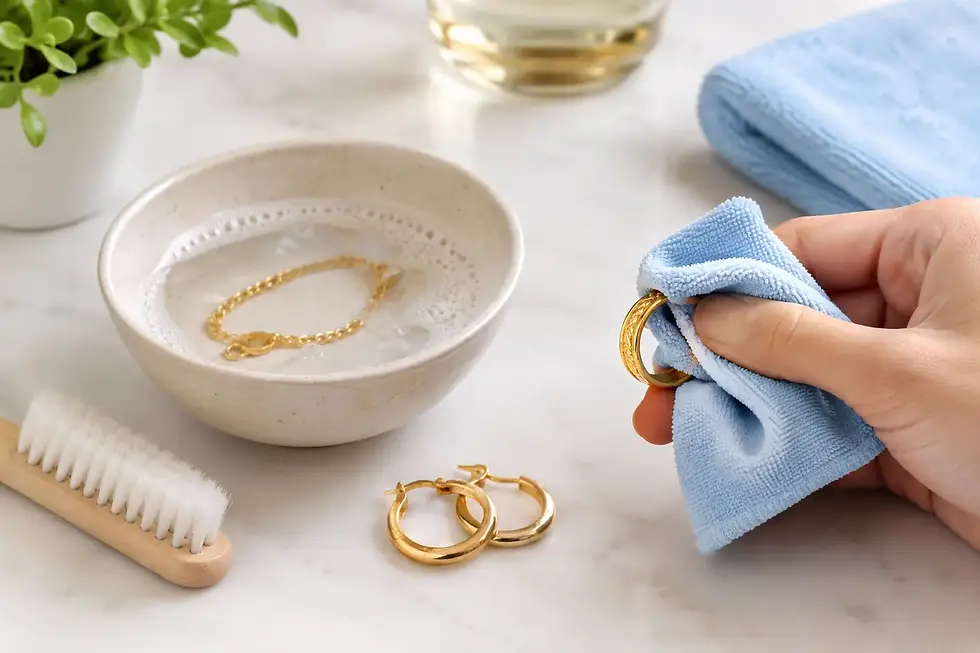
After wearing a piece, wipe it gently with a soft, dry microfiber cloth. This removes fingerprints and daily residue before it settles on the surface. If a deeper clean is needed, use lukewarm water with a small amount of mild soap, then rinse carefully and dry completely with a soft cloth. Avoid abrasive scrubbers, toothpaste, and aggressive metal cleaners. They can scratch steel or wear down gold plating.
Storage matters as much as cleaning. Keep each piece dry and separate when possible, ideally in a lined jewelry box or soft pouch. This helps prevent tangles, scratches, and unnecessary rubbing between necklaces, rings, and earrings. A little organization keeps getting ready easier, too - because the best jewelry is the jewelry you can actually find when the outfit calls for it.
Is Stainless Steel Good for Everyday Jewelry?
For many people, yes. Stainless steel offers an appealing balance of durability, shine, and accessible luxury. It is particularly well suited to jewelry you want to reach for often: a sculptural pair of earrings for the office, a stacked bracelet for dinner plans, or a statement necklace that transforms a simple top.
It is also commonly chosen by shoppers looking for a more skin-friendly option than unknown mixed-metal fashion jewelry. However, sensitivity is personal. Some stainless steel alloys contain small amounts of nickel, so anyone with a known nickel allergy or highly reactive skin should always review the product material details and wear new pieces with care.
The trade-off is that stainless steel is harder than softer precious metals, which contributes to its durability but can make resizing or repair more limited depending on the design. For fashion-forward pieces made to deliver impact without fine-jewelry pricing, that strength is often a meaningful advantage.
What About Gold-Plated Steel Jewelry?
Gold-plated stainless steel brings together two qualities many jewelry lovers want: the radiant look of gold and a durable base beneath it. The steel itself is resistant to tarnishing, while the gold plating creates the finish you see first.
The plated surface still deserves thoughtful care. Rings and bracelets naturally experience more friction from hands, desks, bags, and other jewelry, so they may show wear sooner than earrings or pendants. This does not mean you need to save them for rare occasions. It means choosing the right moments for them. Wear your favorite gold-toned pieces for coffee dates, celebrations, workdays, and gifting moments, then give them a gentle wipe before putting them away.
A quality piece should feel like an easy part of your style, not another thing to worry about. With mindful wear, stainless steel jewelry can remain a bright, confident finishing touch through countless ordinary days and the occasions worth dressing up for.


Comments