

Is Stainless Steel Jewelry Hypoallergenic?

A new pair of hoops should make you feel polished, not leave your earlobes itchy by the end of dinner. So, is stainless steel jewelry hypoallergenic? Often, yes - especially compared with many fashion metals - but the honest answer depends on the steel grade, the finish, and your personal sensitivity to nickel.
For most people, quality stainless steel is a comfortable, beautiful choice for everyday jewelry. It is strong, resistant to tarnish, and able to hold a refined gold-tone finish without needing the delicate handling of some softer metals. But if your skin reacts easily, knowing what sits beneath that shine makes all the difference.
What “Hypoallergenic” Really Means
Hypoallergenic does not mean allergy-proof. It means a material is less likely to trigger a reaction than common alternatives. There is no single universal standard that allows a piece of jewelry to guarantee it will suit every wearer.
Jewelry reactions are frequently linked to nickel, a metal used in many alloys. Nickel helps make metal harder and more durable, which is why it can appear in stainless steel as well as lower-cost plated jewelry. The concern is not simply whether nickel exists in a piece, but whether it can migrate to the skin in an amount that causes a reaction.
That is why two people can wear the same ring with completely different results. One may wear it every day without a second thought, while another may notice redness, itching, dryness, or tiny bumps where the jewelry touches the skin. Sensitive skin is personal, and it deserves a personal approach.
Is Stainless Steel Jewelry Hypoallergenic for Sensitive Skin?
High-quality stainless steel is widely considered a hypoallergenic-friendly material because it is stable, durable, and generally releases less nickel than many inexpensive mixed-metal options. Stainless titanium steel, often used in modern fashion jewelry, is valued for its strength and comfortable everyday feel.
Still, not all stainless steel is identical. Jewelry-grade 316L stainless steel is often called surgical steel and is a popular choice for sensitive ears and skin because of its corrosion resistance and low nickel release. It may contain nickel, but the alloy binds it tightly enough that many people with mild nickel sensitivity wear it comfortably.
If you have a diagnosed nickel allergy or have reacted strongly to metal jewelry in the past, 316L may still not be your perfect match. Titanium, niobium, platinum, and high-karat solid gold can be better options for severe sensitivity, though each comes with its own price point, look, and care needs. A metal being labeled hypoallergenic is reassuring, but it is not a substitute for listening to your skin.
Why Stainless Steel Works So Well for Everyday Jewelry
The appeal of stainless steel goes beyond its skin-friendly reputation. It is an everyday material with a premium presence - ideal when you want a statement necklace for a celebration or a subtle bracelet that stays in rotation from workdays to weekends.
Unlike brass or copper-based jewelry, stainless steel is much less likely to oxidize and discolor. That means fewer worries about dullness, green marks, or a piece losing its polished look after a few wears. Its strength also makes it a smart base for contemporary designs with sculptural shapes, crystal details, and layers of 18K gold plating.
Gold-plated stainless steel offers a beautiful balance: the warmth of gold with the durability of a steel foundation. Three layers of 18K gold plating can create a rich, elevated finish, while the stainless steel beneath helps the piece retain its shape and resist everyday wear. For style lovers who want jewelry that photographs beautifully and feels special without being reserved for rare occasions, that combination has real value.
Gold Plating Can Affect Your Experience
A gold-plated stainless steel piece has more than one material story. Your skin first meets the outer gold plating, not the steel underneath. When the plating is intact, it can act as an additional buffer between the base metal and your skin.
Over time, however, friction, sweat, fragrance, lotion, chlorine, and frequent water exposure can wear away plating. This happens most quickly on rings, bracelets, and watch-style pieces because they encounter constant movement and handwashing. Once the finish wears down, a sensitive wearer may have more direct contact with the underlying alloy.
This is not a reason to avoid plated jewelry. It is simply a reason to choose thoughtfully and care for the pieces you love. Save your favorite gold-plated ring for moments when it can shine, rather than wearing it through swimming, workouts, showering, or cleaning. A little care protects the finish and helps preserve a more comfortable wear experience.
Signs Your Jewelry May Be Causing a Reaction
A reaction does not always appear immediately. Some people notice irritation after several hours, while others develop it after repeated wear. Pay attention to itching, redness, swelling, flaking, dryness, darkened skin, or small blisters exactly where your jewelry rests.
These symptoms can also be caused by trapped moisture, soap residue, perfume, or friction, so metal is not always the culprit. Earrings may irritate newly pierced ears, for example, even when the metal itself is well tolerated. Necklaces can react with skincare or fragrance on the chest and neck.
If irritation appears, remove the piece and allow your skin to recover. Avoid applying it again to broken or inflamed skin. Persistent, severe, or spreading symptoms are worth discussing with a dermatologist, who can help identify whether nickel or another allergen is involved.
How to Choose Better Jewelry for Sensitive Skin
Start by looking for clear material information. A trustworthy jewelry description should tell you whether a piece is stainless steel, stainless titanium steel, plated, or made with another base metal. Vague terms such as “metal alloy” give you less confidence when sensitivity is part of your decision.
Next, think about where and how long you will wear the piece. Earrings and rings have close, frequent skin contact, so material quality matters most there. A statement necklace worn occasionally over clothing may be easier for a sensitive wearer to enjoy than an all-day ring.
It also helps to test a new piece gently. Wear it for a short time first, ideally when your skin is calm and free from irritation. Keep the jewelry clean and dry, and avoid layering it over freshly applied lotion, sunscreen, or perfume. If a piece feels comfortable after several wears, it is more likely to become an easy part of your everyday collection.
When shopping for a gift, choose thoughtfully rather than assuming every recipient has the same skin needs. Stainless steel jewelry is a versatile, gift-ready option for many women, but someone known to have a strong metal allergy may appreciate a conversation about their preferred materials first. A beautiful gift feels even more meaningful when it is chosen with her comfort in mind.
Simple Care Helps Jewelry Stay Comfortable
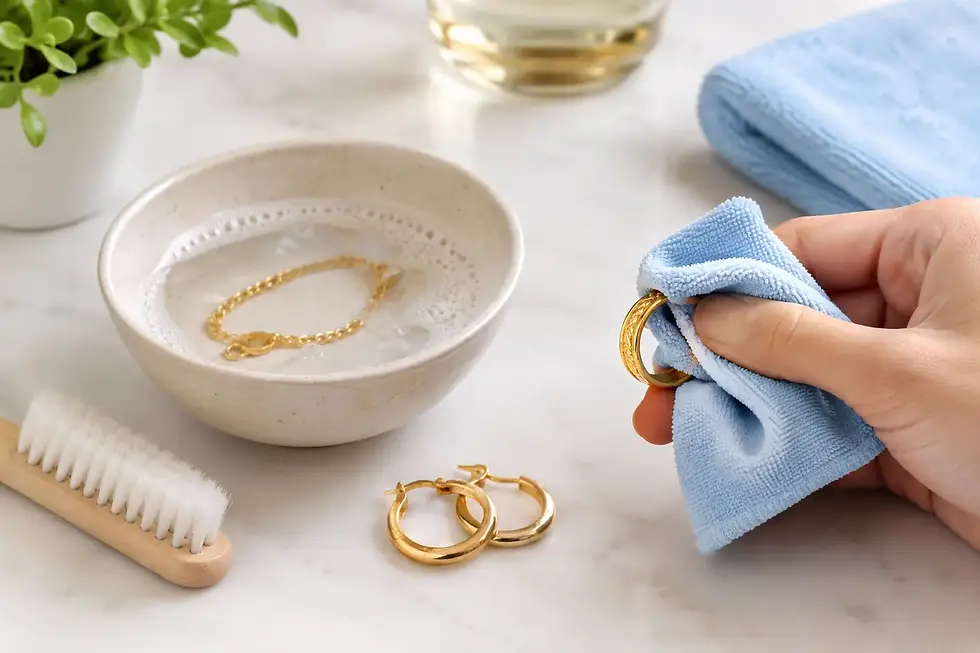
Clean stainless steel jewelry with a soft, dry cloth after wear to remove oils and product buildup. For a deeper refresh, use mild soap and lukewarm water, then dry the piece completely. Avoid harsh cleaners, abrasive cloths, and chemical dips, particularly on gold-plated styles or jewelry with cubic zirconia crystals.
Store pieces separately in a clean, dry organizer box to reduce scratching and moisture exposure. This small ritual keeps your collection easier to reach, protects its finish, and gives each piece the attention exceptional craftsmanship deserves.
Stainless steel jewelry can be a confident choice when you want durability, modern design, and a skin-friendly feel at an accessible price. Choose quality materials, treat plating with care, and let comfort be part of what makes a piece feel truly precious. Jewelry should celebrate you - never distract from your shine.


Comments