

Best Jewelry for Sensitive Ears: What to Wear

A beautiful pair of earrings should make you feel put together, not leave your lobes itchy, red, or sore by the end of dinner. The best jewelry for sensitive ears starts with knowing what touches your skin, because a polished gold look alone does not tell you whether an earring will feel comfortable all day.
For many people, the issue is not earrings themselves. It is a reaction to certain metals, coatings, or even buildup on posts and backs. The good news is that sensitive ears do not mean giving up statement hoops, delicate studs, or a little crystal sparkle. It simply means choosing materials with more intention and treating your ears with the same care you give your skin.
What Causes Earring Sensitivity?
Nickel is the most common culprit behind jewelry-related irritation. It is often used in metal blends because it is durable and affordable, but it can trigger contact dermatitis in people with a nickel sensitivity. Symptoms may include itching, warmth, swelling, dryness, flaking, or a rash around the piercing.
That said, nickel is not the only possibility. Very fresh piercings can react to almost anything, while older piercings may become irritated by friction, tight earring backs, residue from hair products, or earrings that have not been cleaned regularly. A green mark on skin is usually a reaction between moisture, oils, and certain metals, rather than a sign that your ears are infected. Persistent pain, discharge, or significant swelling deserves advice from a medical professional or piercer.
The material matters most where the earring post and back touch the ear. A decorative drop may be made from a different material than its post, so look beyond the overall design and check the product details before you buy.
Best Jewelry for Sensitive Ears: Materials That Matter
There is no single universal best choice. Skin sensitivity varies, and so do jewelry constructions. Still, these materials are widely favored for comfortable everyday earrings.
Titanium
Implant-grade titanium is one of the strongest choices for highly sensitive ears and healing piercings. It is lightweight, corrosion resistant, and typically nickel-free. If your ears react to nearly everything, titanium posts are often a smart first place to start.
Be specific when shopping: titanium-colored jewelry and titanium steel are not necessarily the same as solid implant-grade titanium. Ask what material is used for the post, not just the outer finish.
Surgical or Stainless Steel
High-quality stainless steel is a practical option for daily wear because it is durable, easy to maintain, and resistant to tarnish. Some stainless steel alloys can contain trace nickel, however, so it depends on your individual sensitivity. If you have a confirmed, severe nickel allergy, titanium, niobium, or solid high-karat gold may be the safer route.
For those who tolerate stainless steel well, it offers an elevated finish without the delicate handling often required by softer metals. AN ATELIER’s stainless titanium steel jewelry is designed with that kind of everyday durability in mind, pairing modern designs with a material that suits busy, style-led routines.
Solid Gold
Solid gold can be a beautiful long-term choice, especially in 14K or 18K. But pure gold is too soft for most jewelry, so gold is blended with other metals for strength. Lower-karat gold contains a higher proportion of those alloy metals, which may include nickel depending on the piece.
If gold is your preference, ask about the alloy and choose reputable makers who clearly list it. White gold in particular can be worth checking carefully, as its composition and rhodium plating vary.
Gold-Plated Stainless Steel
Gold plating gives you the warmth of gold at a more accessible price, making it ideal for trend-led hoops, sculptural earrings, and occasion pieces. For sensitive ears, the key question remains the base metal and the earring post. Gold-plated stainless steel can be a comfortable option for many wearers, particularly when the finish is well made and the metal beneath suits their skin.
Three layers of 18K gold plating create a richer, more luminous appearance than a very thin flash of color. Still, plated jewelry is not the same as solid gold. With regular wear, friction and skincare products can gradually affect the finish. Rotate your favorites, follow care guidance, and stop wearing any pair that starts to irritate your ears.
Niobium and Platinum
Niobium is another excellent nickel-free choice, though it is less common in fashion-forward styles. Platinum is highly durable and generally well tolerated, but its fine-jewelry price point may not make sense for every wardrobe update. Both are worth considering if comfort is your first priority.
Choose Earring Styles That Feel Good All Day
A gentle material can still feel uncomfortable if the earring is too heavy or pulls at the piercing. For everyday wear, lightweight studs, small hoops, huggies, and refined drop earrings usually offer the easiest balance of comfort and impact.
Studs are especially useful when you are troubleshooting sensitivity because there is less movement and fewer surfaces collecting product residue. Choose a smooth post and a backing that sits securely without pressing into your lobe. If standard butterfly backs feel sharp or tight, flat-back styles can be more comfortable, especially for sleeping or long workdays.
Hoops deserve a little extra attention. A slim, lightweight hoop can feel almost effortless, while a large statement hoop may stretch the piercing and create tenderness after several hours. You do not have to skip the dramatic pair. Save it for a dinner, celebration, or photo-ready moment rather than making it your all-day default.
For special occasions, crystal earrings add light-catching detail without requiring oversized designs. Cubic zirconia is a beautiful choice because it delivers sparkle while allowing the metal setting and post to remain the focus of your sensitivity check.
How to Shop Without Guesswork
Marketing terms can be helpful, but they are not a substitute for material details. “Hypoallergenic” generally means a product is less likely to cause a reaction. It does not promise that every sensitive ear will be comfortable, particularly if you know you react to nickel or specific alloys.
Before adding earrings to your cart, look for a clear answer to three questions: What is the post made from? What is the base metal? Is the piece plated, coated, or solid metal? Transparent details make it easier to build a jewelry collection you can actually wear, rather than a drawer full of beautiful pairs that never leave their box.
If you are trying a new material, wear the earrings for a few hours at home first. Do not test them during a full-day event when you cannot easily take them out. Keep a note of which metals, finishes, and styles feel best. Your own pattern is more useful than a broad label.
Care That Helps Sensitive Ears Stay Comfortable
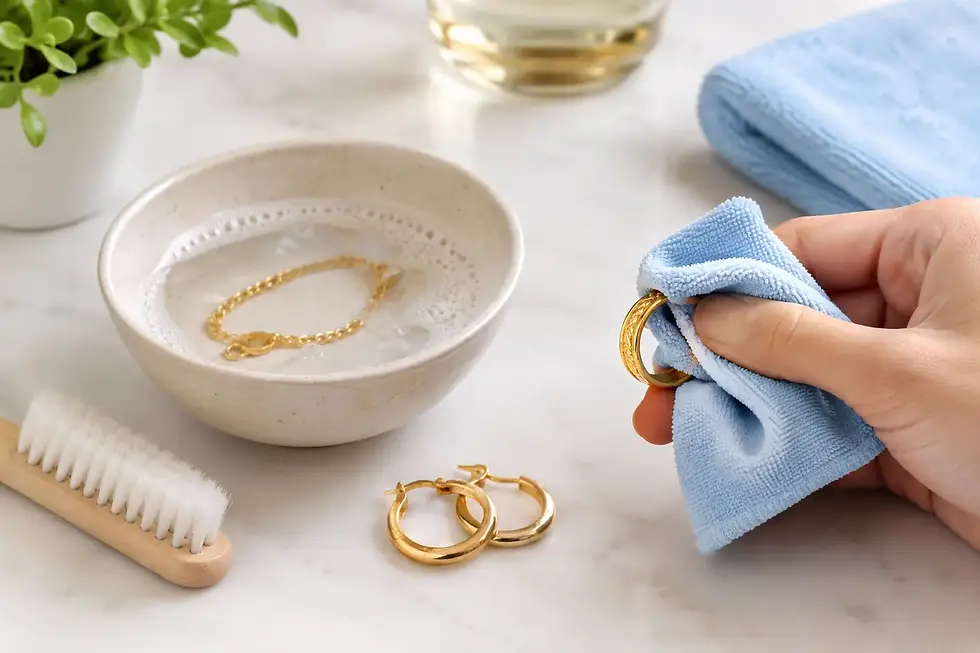
Clean earrings before their first wear and after several uses. A soft, dry polishing cloth is often enough for routine care. For pieces that can tolerate gentle cleaning, use mild soap and water, then dry them completely before storing. Avoid soaking plated jewelry or using harsh chemical cleaners, which can damage its finish.
Just as important, clean the skin around healed piercings and make sure your earrings are fully dry before putting them on. Perfume, hair spray, lotion, and sunscreen can collect on posts and backs, so make jewelry the finishing touch after your beauty routine.
Store pieces separately in a jewelry organizer box to reduce scratching and tangling. This small habit protects delicate plating and makes it far easier to reach for the pair that suits your outfit and your ears.
When to Take a Break From Earrings
Remove earrings immediately if you feel burning, intense itching, or swelling. Let your ears settle before trying another pair, and do not push an earring through a sore or inflamed piercing. If symptoms continue after removing the jewelry, or if there is discharge, fever, or worsening pain, seek medical care.
Sensitive ears ask for better choices, not smaller style. Start with a well-made, lightweight pair in a material your skin trusts, then let the design do the rest. The right earrings should feel like a finishing touch to your confidence - beautiful enough to be noticed, comfortable enough to forget you are wearing them.


Comments